|
      |
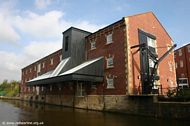
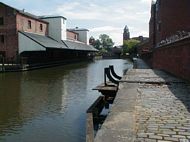
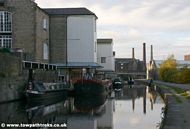
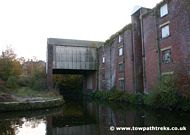
Canal ArchitectureCanals developed their own architecture. The canals themselves have their own structures: bridges, locks, aqueducts, lifts, inclined planes. The canal companies had their operational buildings like toll houses, offices, lock and bridge keepers houses, stables and their warehouses and wharves. The canals attracted industry to their banks, there are still remains of lime kilns, coke ovens and brick works.
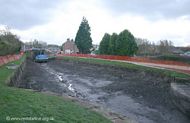
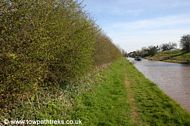
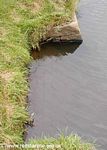
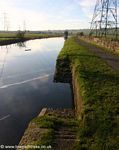
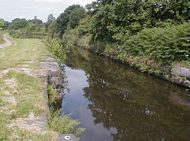
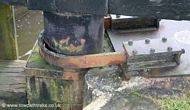
Canals themselves have their own structure and architecture: the channel, the towpath, embankments, weirs etc
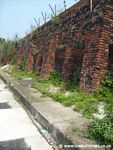
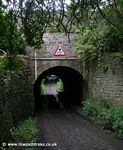
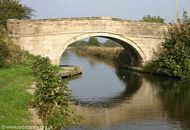
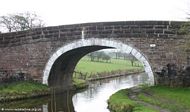
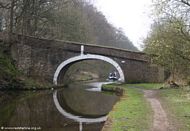
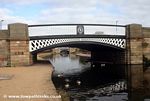
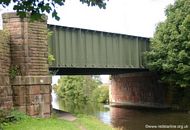
Bridges had to be built either for roads and track to cross the new canal or to allow landowners access to land divided by the canal. On the Leeds & Liverpool Canal there were a standard design for the early stone bridges from the time the canal was first built. Some of the stone bridges built on later sections of canal near Johnsons Hillock look to be based on a design by John Rennie. Wooden swing bridges were a cheaper option for the canal builders, these have mostly been replaced by metal swing bridges or removed all together. In recent times swing bridges have been modernised and are now electric. When railways were built they often had to cross the canals at acute angles giving rise to some interesting bridges. Modern roads cross on large stone and steel bridges which still have some style tha the concrete bridges of the 1960s onwards lack. Motorways stride over the canal on high viaducts.
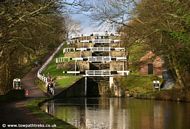
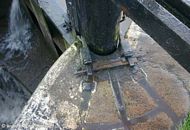
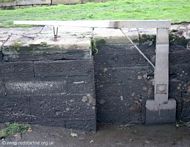
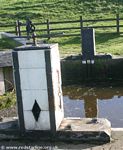
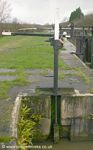
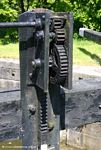
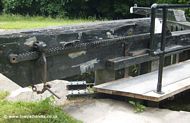
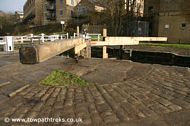
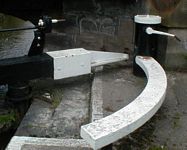
Locks were first invented in China. Before canals they were used to help boats pass weirs or changes in river levels. On the canal they are used to the the canal up and down hills.
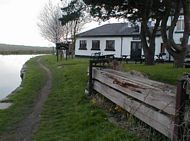
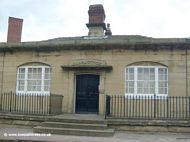
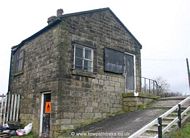
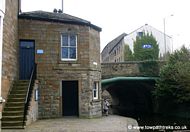
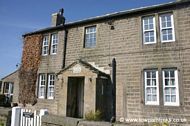
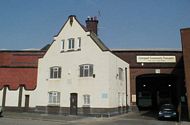
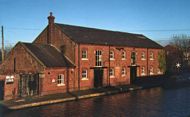
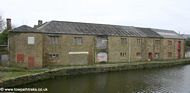
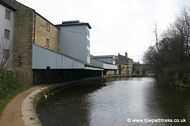
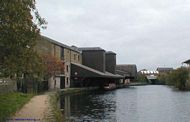
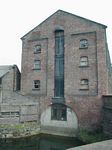
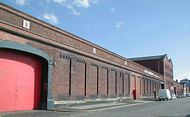
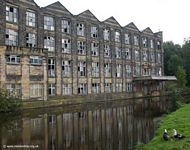
There are many types of buildings directly associated with the canals and canal companies. Warehouses and wharves are common. Locks and bridges often had houses built next to them for the canal workers.
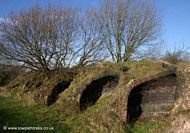
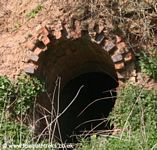
There are still some relics of old canal-side industry
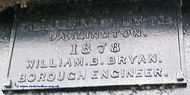
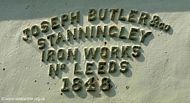
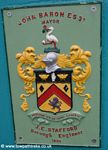
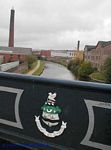
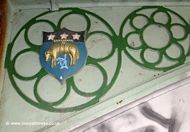
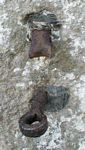
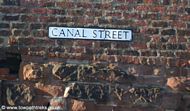
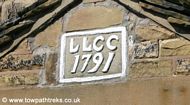
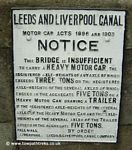
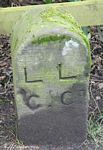
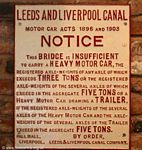
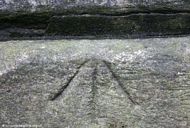
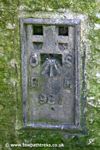
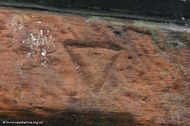
There are many signs and symbols to be found on the canal. Canal notices, bench marks and masons marks.
|
| This page was last updated on 10-Oct-2015 |
copyright © 2010- 2015 www.towpathtreks.co.uk