






Maghull to Burscough
12- 24 miles
Burscough
to Wigan
24 - 34 miles
Former Lancaster
Canal South
37-47miles
Johnson's Hillock
to Cherry Tree
47 - 54 miles
Leeds & Liverpool Canal Pub Guide
Click a pub and read the reviews and vote on the beer and the food.
 |
 |
 |
 |
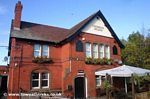
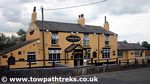
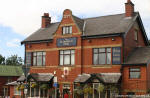
| Cooksons Bridge Liverpool |
The New Running Horses Lydiate |
The Gastro | The Ship Inn Haskayne |
 |
 |
 |
 |
| Saracens Head Halsall |
Heatons Bridge Inn Scarisbrick |
Farmers Arms Nr.Burscough |
The Slipway Nr. Burscough |
 |
 |
 |
 |
| Packet House Burscough |
The Ship/Blood Tub Rufford Branch |
Ring O'Bells | The Windmill Hotel Parbold |
 |
 |
 |
|
| Water's Edge Appley Bridge |
Crooke Hall Inn Crooke |
The Orwell Wigan |
|
 |
 |
 |
 |
| Commercial Inn Wigan |
Kirkless Hall Inn Wigan |
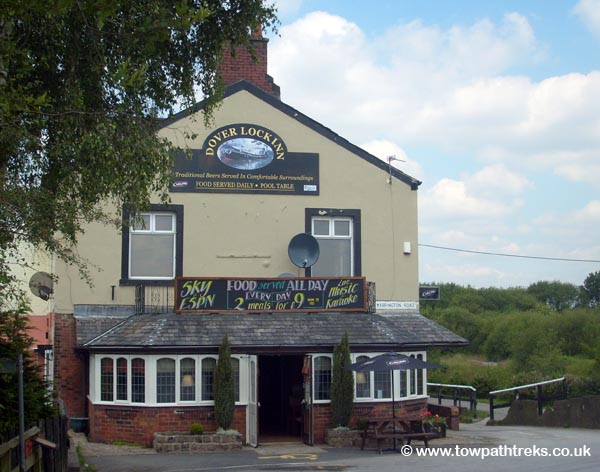
Dover Lock Inn Abram (Leigh Branch) |
Waterside Inn Leigh (Leigh Branch) |
 |
 |
 |
 |
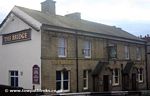
| The Bridge Adlington |
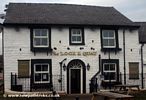
Lock & Quay Botany Bay |
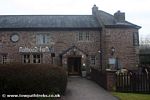
Malthouse Farm Whittle-le-Woods |
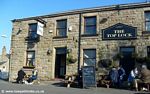
The Top Lock Heapey |
 |
 |
 |
|
| The Boat Yard Riley Green |
Anchor Inn Salterforth |
Cross Keys East Marton |
|
 |
 |
 |
 |
| Anchor Inn Gargrave |
The Royal Shepherd Skipton |
The Narrow Boat Skipton |
Bay Horse Snaygill |
Pub Canal Map
View Canal Pubs in a larger map
Hard Times for Canal Pubs? 
CAMRA say that every month 57 pubs close for good. In recent years the canal has lost a number of pubs. The Red Lion at Scarisbrick is now a Blue Elephant Indian restaurant, the Navigation at Gathurst (which had gone down hill) has also converted to an Indian restaurant. The Scarisbrick Arms was closed for 2 years before reopening in December 2009. The Railway at Appley Bridge was demolished. The Orwell at Wigan Pier was closed for a while and the Windmill at Parbold has had a successful re-opening. Other pubs are in such need of refurbishment they have been excluded from this page. The successful pubs are the ones that can attract clients rather than ones who rely on passing trade. The Saracens Head at Halsall has reopened after an expensive refit and is now a smart pub/restaurant. If you value the canal pubs you have to spend you money in them and support them!
Pub History
Throughout the 18th Century there was a change from the non-commercial alehouses to the purpose built public house. Ale houses were private homes which sold ale to supplement their income. Alehouses were seen as part of the alleviation of want, they were community centres, they sold provisions, extended credit and were places of leisure. Towards the end of the C18th purpose built public houses were built by people wanting an income or investment. The public houses were designed for retailing liquor with specialist rooms for different clientele. Pubs were built on the canal at places boatmen would stop such as basins, lock flights or at distances where boats might stop for the night. Its not chance that there are two pubs on the Wigan flight, at Long Buckby on the Grand Union there was a flight of six locks with seven pubs. While the Leeds Liverpool canal was being built (1770-1816) there was a clamp down on ale houses while at the same time the increasing population meant an increase in public houses. Ale houses were blamed for society's ills. There was a growth in societies dedicated to betterment of the poor and stopping drinking. In the Wealth of Nations, 1776, Adam Smith argued that drunkenness was not caused by alehouses as the Teetotallers said but that the lives of the poor drove them to drink. Religious groups wrote pamphlets about the goings-on in the public houses of the working classes including the boatmen. The colliers in the Navigation Inn in the Potteries were described as "singularly vulgar and disagreeable" with language that was little more than curses. The men drank, quarrelled, gambled, swore, sang and played music. Boatmen could socialise in the pub, have letters and notices read for them and pick up work. The pub was a form of employment exchange, local traders could leave word about loads they needed moving or boats could find extra crew if needed. This was especially useful for the self-employed Number One boaters. Some pubs had canal related names like the Navigation, the Ship, the Top Lock and the Packet Inn. They would have stables for the boatmen's' horses. Porter was the fuel of the Industrial Revolution which later replaced by coal and beer. George Smith describes the drink enjoyed by the filthy boatmen, women and their children in 1880, a "fourpenny" tasted like "saltpetre, vinegar, treacle and mint".
There were also Inns which were similar to the coaching inns. They would be aiming for a better class of customer than the public houses but some were dirty, damp and stinking. These Inns would provide overnight accommodation for travellers waiting for the packet boats.
Public houses learnt from the gin palaces and copied their style. They introduced bars, mirrors, large windows gas lights. After WW1 the introduction of steam and diesel power meant there were fewer men working the canals and fewer drinkers in the canal side pubs. Pubs closed but the increase in leisure use of the canals saved some. There has been decline in pub numbers across the nation and the ones that are still around are turning themselves into restaurants to make living. The modern canal pub is now a family restaurant and had very little in common with the working mans alehouse in the canal age.
Links
www.closingtimeliverpool.co.uk Kevin Casey documenting the closed and abandoned pubs throughout Liverpool’s working-class communities

Shipley to Leeds
115 -125 miles
Stockbridge to Shipley
109 -115 miles
Skipton to Stockbridge
99 - 109 miles
Gargrave to Skipton
93 -99 miles
Greenberfield to Gargrave
87 - 93 miles
Foulridge to Greenberfield
82-87 miles